
.
SUMMARY: This article explores the nuanced transformations of Scotland’s Central Lowlands—specifically Perth and Newburgh—during the 18th and 19th centuries. Unlike the Highlands, which experienced profound cultural and economic upheaval, these Lowland regions underwent a more measured integration into the British economic and political frameworks, while maintaining their distinctive Scottish identity. Through a detailed examination of economic growth, intellectual influence, political shifts, and demographic changes, the article sheds light on the complex and gradual evolution of these areas within the broader context of Scotland’s modernization.

During the 18th and 19th centuries, the Central Lowlands, encompassing areas like Perth and Newburgh, experienced significant transformations that stood in contrast to the dramatic upheavals in the Highlands. While the Highlands endured profound cultural suppression and economic disruption, particularly following the Jacobite rebellions, the Lowland regions underwent a more gradual integration into the British economic and political sphere, all while preserving essential elements of their Scottish identity.
The Highlands, devastated by the dismantling of the traditional clan system and the forced evictions known as the Highland Clearances, bore the brunt of sweeping changes. The Central Lowlands, including Perth and Newburgh, followed a different trajectory, witnessing substantial economic growth. Industrialization, especially in textile manufacturing, became a cornerstone of Perth’s development, with linen production playing a crucial role. Newburgh, situated along the Firth of Tay, benefitted from increasing maritime trade, while broader economic shifts in Scotland, particularly Glasgow’s rise as a commercial powerhouse, had ripple effects across the Lowlands, further bolstering these regions’ economies.

The cultural landscape diverged sharply between the Highlands and the Lowlands during this time. The Highlands, where Gaelic language and traditional dress like tartan were suppressed, saw their cultural foundations eroded. Conversely, the Lowlands, including Perth and Newburgh, became hubs of intellectual vitality, spurred by the Scottish Enlightenment. Thinkers such as David Hume and Adam Smith left an indelible mark, and Perth’s well-established educational institutions likely played a part in disseminating these transformative ideas, which permeated local culture and thought.
Politically, the failure of the Jacobite rebellions had a less immediate and severe impact on the Lowlands compared to the Highlands. However, the broader integration of Scotland into the British state reshaped identities across the regions. In the Central Lowlands, as well as in Perth and Newburgh, a gradual shift took place as Scottish heritage began to balance with an emerging British outlook. Unionist sentiment gained traction, particularly among Lowland elites and the middle classes, as they navigated their evolving role within the larger British framework.
Demographic trends further underscored the stark contrast between the Highlands and the Lowlands during this period. While the Clearances and emigration caused depopulation in the Highlands, the Lowlands witnessed significant population growth and urbanization. The Central Belt, stretching from Glasgow to Edinburgh, became the industrial heartland of Scotland, with towns and cities swelling in size. This industrial boom attracted Highlanders, who migrated southward in search of work, contributing to the demographic and social reshaping of the Lowland regions.
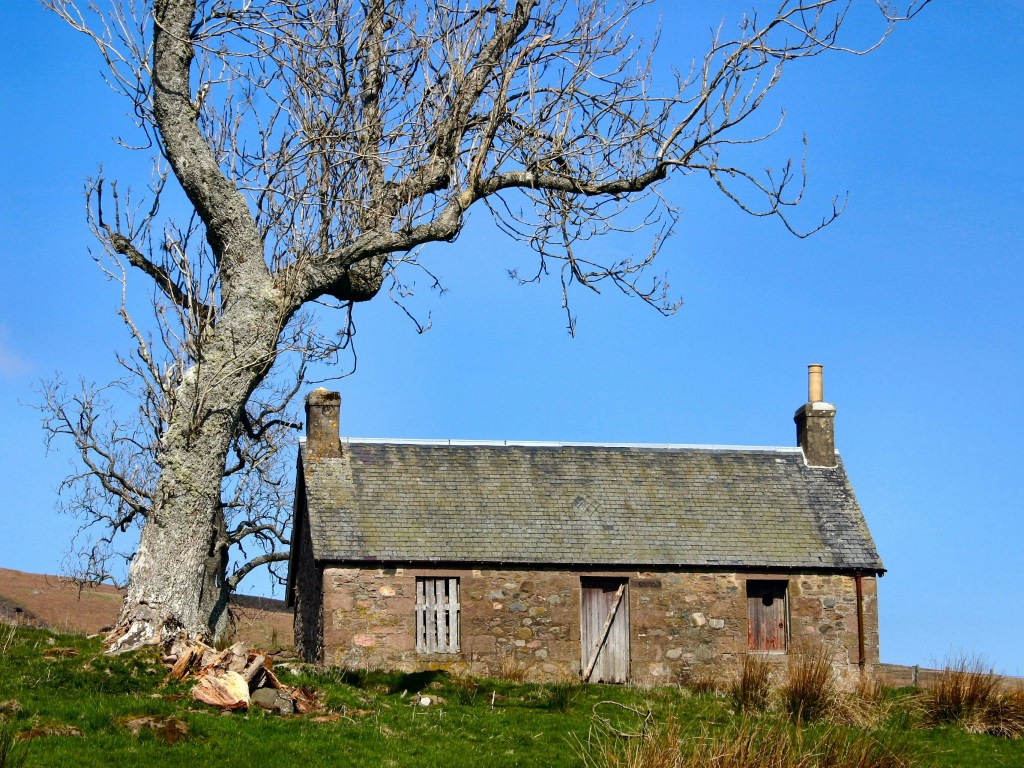
In sum, while the Highlands faced abrupt and often devastating changes, the Central Lowlands, Perth, and Newburgh underwent a more gradual transformation, marked by economic progress, cultural continuity, and political adaptation. These areas successfully integrated into the British sphere while preserving their distinct Scottish identity through a blend of tradition and innovation.
References:
Broadie, A. The Scottish Enlightenment: The Historical Age of the Historical Nation. Birlinn, 2001, p. 45.
Brown, C. G. Religion and Society in Scotland since 1707. Edinburgh University Press, 1997, p. 89.
Devine, T. M. The Scottish Clearances: A History of the Dispossessed, 1600-1900. Allen Lane, 2018, p. 302.
Morton, G. Unionist Nationalism: Governing Urban Scotland, 1830-1860. Tuckwell Press, 1999, p. 23.
Whatley, C. A. The Industrial Revolution in Scotland. Cambridge University Press, 1997, p. 78.
AI research used in the creation of this content
 aletheus; a compendium